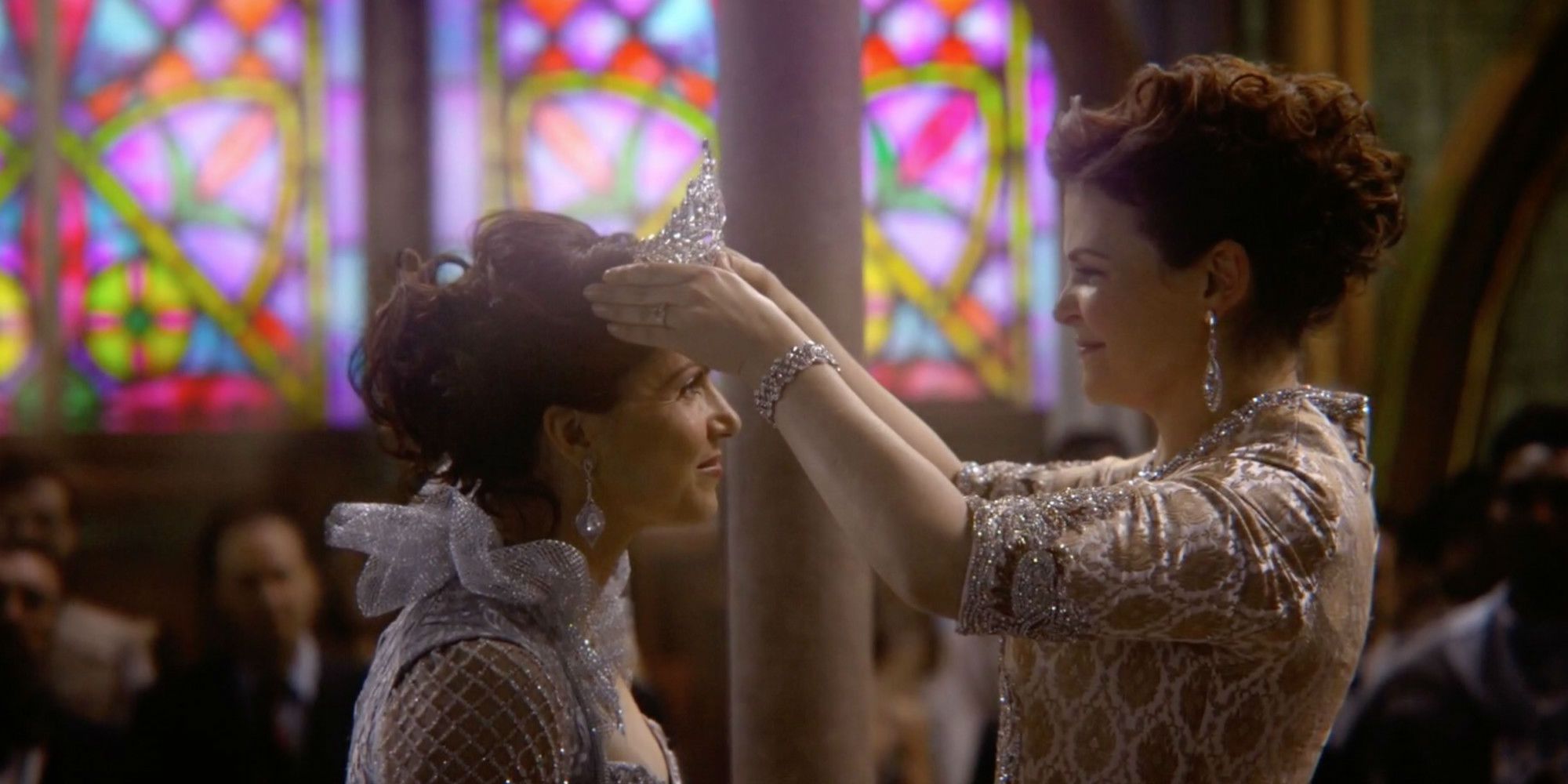
“In the place where a ba’al teshuva stands, even the perfectly righteous cannot stand.”
Babylonian Talmud, Berakhos 34b
In Judaism, a baal teshuvah (fem. baalat teshuvah, lit. “master of return”) usually refers to a person who returns to observant Jewish practice after a long period of non-observance. In addition to that, there is the suggestion that the individual in question was not leading a virtuous non-observant life prior to returning to observant practice.
For people who are unfamiliar with Jewish theology, this seems counter-intuitive. Why would people who’ve fallen off the path and come back to it be held in higher esteem than people who’ve never strayed?
The reason for this is rooted in the meaning of Jewish practice. In short, it is to recognize the holiness of the ordinary. It is to make sacred every thing and every moment in our lives: eating, sleeping, washing our hands, using the bathroom, reading a book, doing a good deed, etc. All the mitzvot, all the prayers, all the blessings, are geared toward acknowledging God in everything. A Kabbalistic phrase for this is, “Ein Od Milvado” (lit. “There is nothing but Him [God]”).
“Why do we fall? So we can learn to pick ourselves up.”
Thomas Wayne, The Dark Knight Rises
Now what do Jewish concepts of sin and good and evil have to do with the Evil Queen in ABC’s Once Upon A Time?
An important thing to keep in mind is that Judaism does not view good and evil as states of being. The Hebrew words for good and evil, when it comes to human beings, are yetzer hatov (lit. “the good inclination”) and yetzer hara (lit. “the evil inclination”). What these terms refer to are innate drives that motivate people. In short, yetzer hatov drives us to transcend our own needs and desires. Yetzer hara drives us to satisfy our needs and desires. These are natural and necessary urges. It is said in the Talmud that without yetzer hara, nobody would get married, start a family, or build a house.
Just as good and evil are not states of being in Judaism, neither is sin. In Hebrew, the word for sin, chet, literally means “miss the mark.” It indicates our tendency to fall short of our true capacity. Unlike in Christianity, sin is what we do, not what we are.
So with Judaism, the purpose of repentance is to put us back on the path, to get us back in alignment with God and ourselves and our community. And, yes, I did mean to make that automotive reference.
But why would a person who falls short but gets back up be revered so much? To sum it up: choice. For many of us, we do the right thing because the motive and opportunity to do the wrong thing rarely presents itself to us. Many times, we do the right thing simply because we know no other way or because we fear what will happen if we’re caught. For a lot of us, being a decent human being is the path of least resistance.
Contrast this with a person who has seen the ugly side of humanity, perhaps even been that ugly side, yet finds a way to choose righteousness. That person is clearly making a choice. They may even be working against their conditioning to make such a choice. They are held in higher esteem because their path has more resistance.
“I want to redeem myself.”
Regina Mills, Once Upon A Time
When Regina talks about redeeming herself, she is not talking about becoming a person she never was. She means returning to the person she used to be before things went wrong: kind, gentle, honest, brave, loving. This is a contrast to Rumpelstiltskin, who was never brave but has to learn courage.
At the same time, she knows how easy it is to be the exact opposite of those things: cruel, hateful, vindictive, deceitful. After a few decades of practice, she’s gotten really good at it. So good that it inhibits her ability to be anything else even when she wants to so very badly. To get out of this place she put herself into, she’s going to have to make choices each and every step of the way. She has to develop a clarity, spiritual fortitude, and strength of purpose that only people who’ve gone through a dark night of the soul can develop. That’s why baal teshuvah means “master of return.” It is this aspect of returning, of mastering that return, that makes Regina’s story so thematically resonant with Judaism.
The beauty of this is that it shows us so much about what is possible in our own lives. It says that no matter how bad it gets, no matter how much you’ve fucked up, no matter how far you fall, you can come back. There is always, always hope for you no matter what.
 Bizarro Torah