(יב) שָׁמ֛֣וֹר אֶת־י֥וֹם֩ הַשַּׁבָּ֖֨ת לְקַדְּשׁ֑֜וֹ כַּאֲשֶׁ֥ר צִוְּךָ֖֣ ׀ יְהֹוָ֥֣ה אֱלֹהֶֽ֗יךָ׃ (יג) שֵׁ֤֣שֶׁת יָמִ֣ים֙ תַּֽעֲבֹ֔ד֮ וְעָשִׂ֖֣יתָ כׇּֿל־מְלַאכְתֶּֽךָ֒׃ (יד) וְי֨וֹם֙ הַשְּׁבִיעִ֔֜י שַׁבָּ֖֣ת ׀ לַיהֹוָ֣ה אֱלֹהֶ֑֗יךָ לֹ֣א תַעֲשֶׂ֣ה כׇל־מְלָאכָ֡ה אַתָּ֣ה וּבִנְךָֽ־וּבִתֶּ֣ךָ וְעַבְדְּךָֽ־וַ֠אֲמָתֶךָ וְשׁוֹרְךָ֨ וַחֲמֹֽרְךָ֜ וְכׇל־בְּהֶמְתֶּ֗ךָ וְגֵֽרְךָ֙ אֲשֶׁ֣ר בִּשְׁעָרֶ֔יךָ לְמַ֗עַן יָנ֛וּחַ עַבְדְּךָ֥ וַאֲמָתְךָ֖ כָּמֽ֑וֹךָ׃ (טו) וְזָכַרְתָּ֗֞ כִּ֣י־עֶ֤֥בֶד הָיִ֣֙יתָ֙ ׀ בְּאֶ֣רֶץ מִצְרַ֔֗יִם וַיֹּצִ֨אֲךָ֜֩ יְהֹוָ֤֨ה אֱלֹהֶ֤֙יךָ֙ מִשָּׁ֔ם֙ בְּיָ֥֤ד חֲזָקָ֖ה֙ וּבִזְרֹ֣עַ נְטוּיָ֑֔ה עַל־כֵּ֗ן צִוְּךָ֙ יְהֹוָ֣ה אֱלֹהֶ֔יךָ לַעֲשׂ֖וֹת אֶת־י֥וֹם הַשַּׁבָּֽת׃ {ס}
(12) Observe the sabbath day and keep it holy, as the LORD your God has commanded you. (13) Six days you shall labor and do all your work, (14) but the seventh day is a sabbath of the LORD your God; you shall not do any work—you, your son or your daughter, your male or female slave, your ox or your ass, or any of your cattle, or the stranger in your settlements, so that your male and female slave may rest as you do. (15) Remember that you were a slave in the land of Egypt and the LORD your God freed you from there with a mighty hand and an outstretched arm; therefore the LORD your God has commanded you to observe the sabbath day.
Deuteronomy 5:12-15
Discussion Questions
- Where could queer women be “hiding” in the passage?
- How does accounting for queer women impact the meaning of the text?
- What are the broader implications of this passage and its commentary?
Supplementary Material
Rather, Rava said: This has a unique explanation. In the Ten Commandments in the book of Exodus, the verse said: “Remember Shabbat and sanctify it” (Exodus 20:8), while in the book of Deuteronomy it is said: “Observe Shabbat and sanctify it” (Deuteronomy 5:12). From these two variants we can deduce that anyone included in the obligation to observe Shabbat by avoiding its desecration, is also included in the mitzva to remember Shabbat by reciting kiddush. Since these women are included in the mitzva to observe Shabbat, as there is no distinction between men and women in the obligation to observe prohibitions in general and to refrain from the desecration of Shabbat in particular, so too are they included in the mitzva of remembering Shabbat.
Babylonian Talmud, Berakhot 20b:10
Come, my friend, to meet the bride; let us welcome the Sabbath.
“Lecha Dodi”
“Observe” and “Remember,” in a single command, the One
God announced to us. The Lord is One, and his name is One, for
fame, for glory and for praise.
Come, my friend, to meet the bride; let us welcome the Sabbath.
The idea of the Sabbath as a queen or bride is not a personification of the Sabbath but an exemplification of a divine attribute, an illustration of God’s need for human love; it does not represent a substance but the presence of God, His relationship to man.
Abraham Joshua Heschel, The Sabbath
Commentary
Rachel Session (August 2021)
Spirit
The stranger and Lecha Dodi were the most salient parts of our conversation.
Regarding the stranger, this idea that jews are responsible for all other jews, and we were once strangers in a land, and so we have a responsibility to care for others.
Also with Lecha Dodi, we welcome in an energy that transforms the space that we’re in. This is relating to a kabbalistic interpretation of “bride” or Binah energy.
Water
The sabbath queen is the manifestation of God with us. The presence of God that we experience mostly is feminine. We embrace all aspects of the feminine in God. There is fluidity of the sabbath (as it comes and goes) and of gender. It is the woman’s job to welcome in shabbat and I am a queer woman who does that so I am in that passage.
This passage explicitly applies to everyone, indiscriminately.
Earth
– explicitly egalitarian across both gender and social class
– historically, mitzvot not egalitarian in such a manner
– acknowledges slavery and the deliverance from such, implicitly not condoning all social norms
– Sabbath associated with feminine
– passage is idealistically egalitarian, even if not so in practice
– authority over men in role as Queen
– Sabbath as feminine aspect of the divine, which does not abide by our gender roles
-Image of Shabbat as bride, is bi and polyamorous as she marries everyone
– Shabbat is especially associated with women and so the image of sapphic marriage is particularly potent
-however, the feminity of the bride is typically hetronormative
Fire
pushing back – traditionally, women’s role in the sabbath is to flurry around, do housework, cook and host. in practice, women worked on the sabbath, much harder than the men did. “my husband invited 25 guests to shabbos dinner, i need to be ready for them”. we’re in theory supposed to rest, but in practice the biggest work gets shifted to the women. women are supposed to be powerless, subordinate, taken care of, but in reality they do most of the work with little credit or compensation
visiting a chabad house for shabbat dinner – women guests were expected to help clean up, men were not, men offering to help was treated as odd. in that particular space at that particular time, even something as simple as helping out with chores is gender nonconforming
not supposed to take advantage of modern amenities – things that would make this work easier are off limits
the phsyical aspect of the work isn’t accounted for in shabbat restrictions. women are hidden and women’s labor is hidden as part of this
caring roles tend to be segregated by gender, with women assuming most of the work. since the men tend to shove the work off to the women, they can pretend that if no men are doing work, then no work is happening.
untraditional households are in fact perfecting shabbat by lessening the load and letting more people experience true rest by evenly distributing the work, letting people exist in relationship without strict frameworks. family of origin, chosen family, doing this mindfully helps perfect the idea and practice of shabbat.
Air
with the talmud saying that there’s no distinction between men and women observing shabbat, that’s not entirely what happens but it’s interesting that the text says that.
also want to point out how the bride is not meant to be a personification but it is representative of relationship to man? seems hetero with calling shabbat a bride (with typical connotations of what a bride is) but ok
anyone can marry the sabbath bride, seems more spiritual than physical
especially during services when EVERYONE turns to greet the sabbath bride
what even is a bride though? 90 day fiance anyone? 6 day fiance? shabbat?
marriage at first sight? marry the shabbat bride?
so wait, does that mean that this bride is polyamorous is because they’re lovin on everyone then
“what i love about shabbat is that it’s weird that it’s called a day of rest because you have to wake up in the morning, you have to brush your teeth, you gotta use the bathroom, you gotta eat something, you go to shul and you gotta get there, then you have torah study… all of these things are work. some shabbats, i choose to just sleep because all of those things are work”
at chabad they teach you to work extra during the week in preparation for shabbat, but it varies on seasons.
what really do we do to unwind and rest on shabbat? that’s different for everyone.
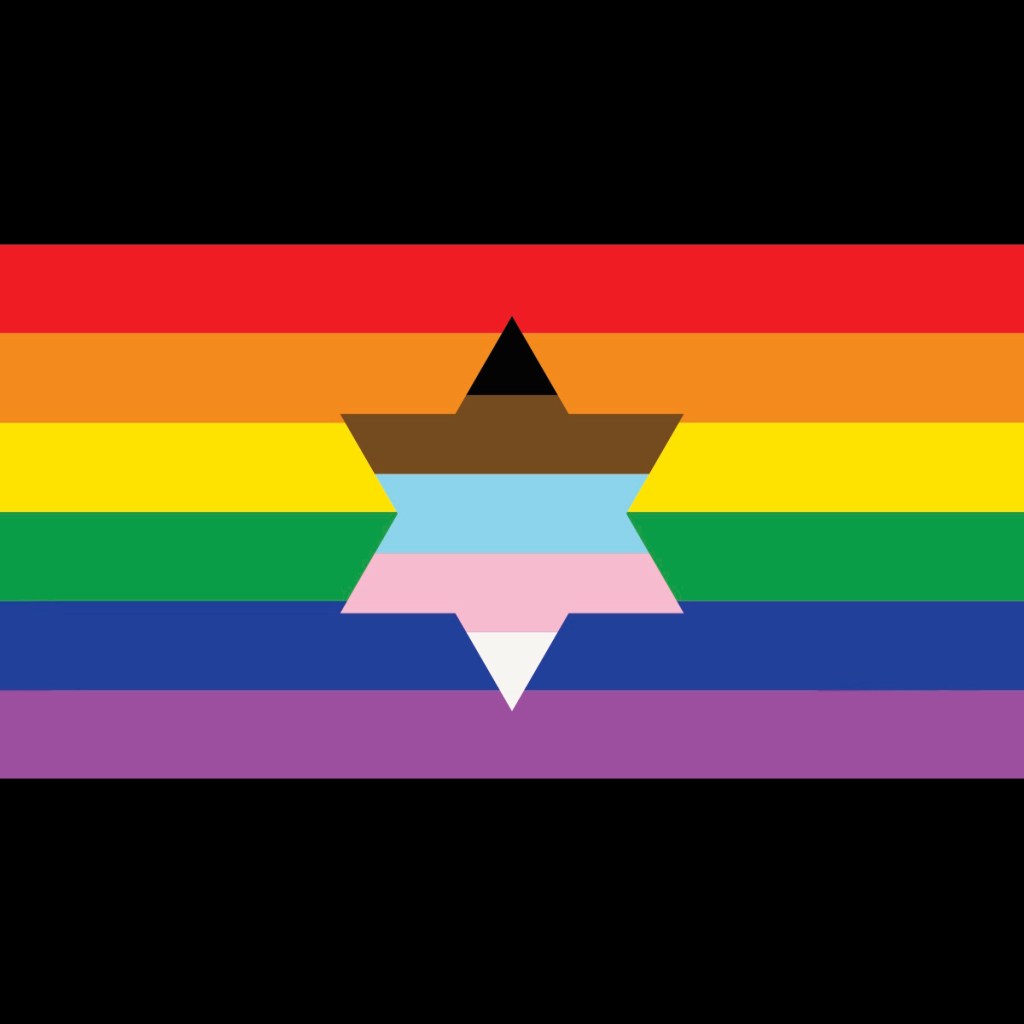
 Bizarro Torah
Leave a comment