“We are what they grow beyond. That is the burden of all masters.” — Yoda, The Last Jedi
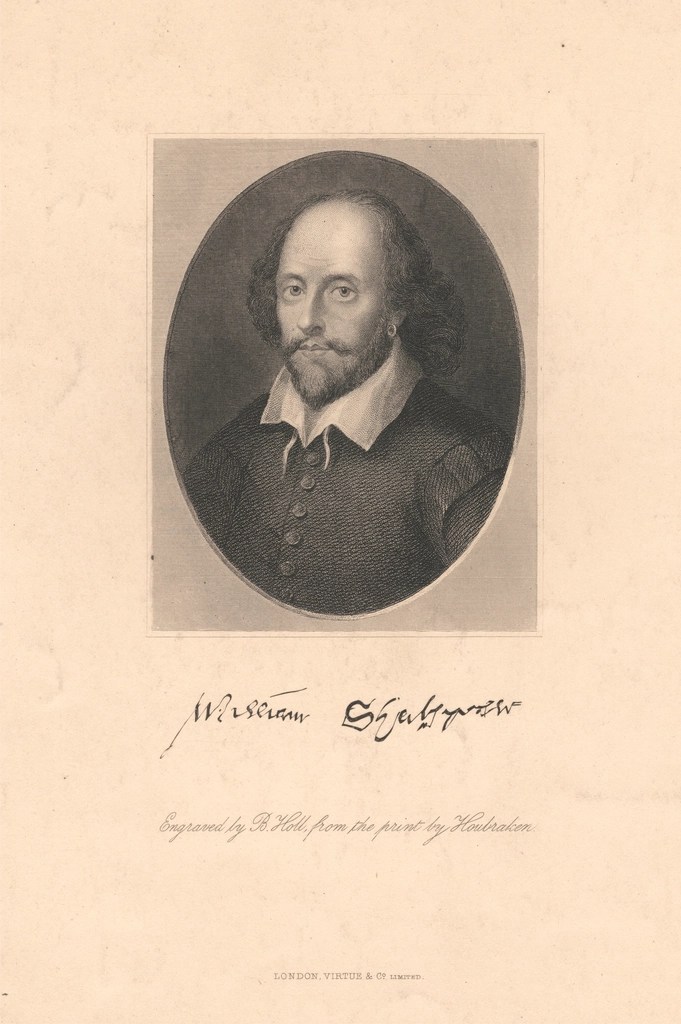
My biggest gripe with Shakespeare performances is treating Shakespeare’s works as if they exist primarily for intellectual and moral refinement. Shakespeare didn’t write for scholars, and he himself certainly wasn’t one. He was a commoner and wrote for the common man. Ironically, putting Shakespeare on too high a pedestal undermines the greatness of what he did.
In a time of severe class stratification, he put peasants and commoners on the same stage as kings and queens. His works showed audiences that beneath our surface differences, each human being is both dignified and ridiculous, wise and foolish, creative and destructive. Each one of us is Hamlet, Viola, Iago, Beatrice, and Nick Bottom. We are all possessed of wondrous potential within the finite span of our lives.
The average person in the audience of Shakespeare’s time was meant to understand all this. Nowadays, we struggle to comprehend the meaning of what he wrote. Is it because we’re dumber than the 16th-century peanut gallery? I sincerely doubt that. Ours is a far more literate society, and we have access to information that would strain the imagination of even the most learned people of Shakespeare’s time.
So what happened? Things changed. That includes language. What was clear as day to Shakespeare’s audience is murkier now. Yet those of us reading Shakespeare today often make the mistake of presuming that old means lofty and cerebral, detached from what’s earthy, even profane. We forget that we didn’t invent irony, sarcasm, wordplay, metaphor, figures of speech, fart jokes, dick jokes, or gallows humor. We turn Shakespeare’s plays into relics instead of living works of art.
We also forget that Shakespeare’s plays weren’t written to be studied in classrooms. They were written to be performed by real human beings on a stage in front of a live audience, and a rowdy one at that.
As everyone who’s made theater knows: at some point, the curtains will rise. There will be no time to dither or quibble about what the text means. Each actor who says a line must choose what that line means and act on it, regardless of whether or not it’s perfectly aligned with the author’s original intent. What matters most is what the actor does here and now, not what Shakespeare or any other writer would have done over there and back then.
All of this is also true of the Talmud.
Judaism should’ve died with the destruction of the Second Temple and Am Yisrael scattered and absorbed. If not for the Sages claiming for themselves the authority to interpret Torah for the people, we wouldn’t be here. By doing the “unthinkable,” by changing things that supposedly couldn’t be changed, the Rabbis turned certain death into new life. Even more than that, documenting the process gives us (and those who come after us), the tools we’ll need to navigate inevitable changes that come our way.
Yet, like Shakespeare, we undermine the greatness of the Sages by putting them on too high a pedestal. We read the text of the Talmud and forget that before the Rabbis were great men, before they were learned men, they were human beings. Messy, complicated human beings living in a world that suddenly stopped making sense. What they created was a collective response to a community’s existential crisis. With the Temple destroyed, they sought meaning in its source, in Torah. Then they did something truly extraordinary: they changed Torah to keep Torah alive then said that’s what it meant all along.
Do their interpretations and rulings perfectly align with the intent of every word in the Torah? I doubt it. But the Rabbis understood the assignment. Their job was not to preserve Torah as a museum artifact. Their job was to keep Torah alive for the living and give future generations tools to do the same so that every Jew, past and present, can lead lives of meaning in community with each other and the world around them. And if that means telling HaShem Themself to butt out, so be it. As a matter of fact, when it does happen, HaShem’s response is pure delight.
So what is our obligation to the Sages? Are we required to live by the most literal interpretation of every one of their rulings? That is impossible. Our world has changed too much since they were among the living. I believe that our true obligation is to carry on their mission: to keep Torah alive for the living and give future generations tools to do the same so that all may find meaning in Torah.
I don’t believe that we need to agree with or abide by what they alone claim is halacha. Torah is ours as much as it was theirs. We do them no honor by abdicating our powers of reason and moral intuition. We do them no favors by pretending that all knowledge of the world stops with them. We are not grasshoppers to their giants. We are the next rung on the ladder to heaven.
Although I believe that we’re not obligated to heed their every word, I also believe that we’re not permitted to discard them like trash or neglect them like old furniture. The Rabbis are not distant historical figures trapped in text. They’re our elderly uncles and aunties talking to us from beyond the grave. They like things the way they like, and everyone else is wrong. They have opinions about how you live your life. They have trouble understanding the new tech and the new slang. They have long-winded stories about everything. They say things that embarrass us. Despite how demanding they seem, all they really want is for us to spend time with them while we still can.
 Bizarro Torah
Leave a comment